
The short answer
A good AC installation starts with a load calculation and a duct and electrical check, not a like-for-like swap. We compare central air, heat pump and ductless options for your home and explain what drives the cost before you commit.
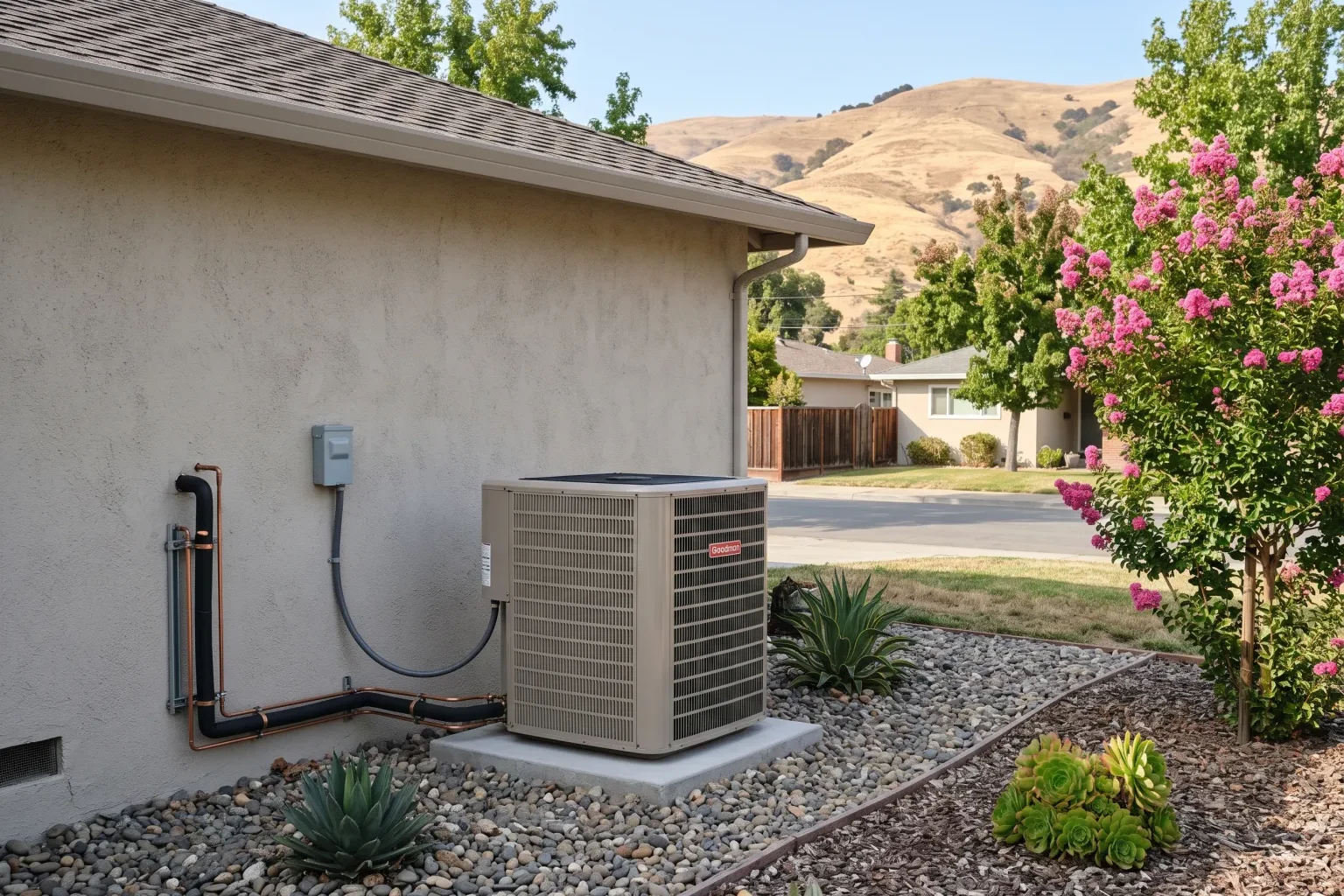
Putting in a new cooling system is a bigger decision than most home repairs, and it deserves more than a quick look at the old unit's label. A house in the warmer southern or inland stretches of the Santa Clara Valley asks far more of its air conditioner than a similar home a few miles closer to the Bay. Ducts installed decades ago may not carry the airflow modern equipment expects. EliteAir Heating & Cooling plans each installation around the specific house: its rooms, its sun exposure, its ductwork and its electrical service. The goal is a system that cools evenly and quietly without oversized equipment cycling on and off all afternoon.
When a new system is worth considering
Not every struggling unit needs replacing, and we will tell you when a repair is the smarter move. Still, there are clear signals that installation deserves a serious look.
- Your home has no central cooling and summer heat has become hard to live with
- The compressor or outdoor coil has failed on an older system
- Repairs have become a yearly event and the bills are adding up
- The system uses an older refrigerant that is getting harder to source
- Some rooms never cool no matter how long the unit runs
- You are remodeling or adding square footage
- Your furnace is also near the end of its life and a heat pump could replace both
What we evaluate before recommending equipment
Sizing comes first. Instead of matching the old unit's capacity, we perform a load calculation that accounts for square footage, window area and orientation, insulation, ceiling height and how many people live in the home. A west-facing two-story in a hotter part of the valley needs a different answer than a shaded single-story near the water.
Then we inspect the ductwork. Many South Bay homes have original ducts that are undersized for today's equipment, leaking at the joints or crushed in the attic. Putting a new condenser on a duct system that cannot move enough air wastes much of the upgrade. We measure static pressure and look at the return path, and if changes are needed, we explain which ones matter most.
We also look at the electrical panel and circuit, the location for the outdoor unit, clearances, condensate drainage and the thermostat. In some older homes, panel capacity becomes a deciding factor, especially if a heat pump is on the table.
Choosing the right type of system
There is no single correct option. The best fit depends on what the house already has and what you want it to do.
A conventional split air conditioner pairs an outdoor condenser with a coil on top of your existing furnace. It makes sense when the furnace is in good shape and you only need cooling. A heat pump looks similar but runs in reverse during winter, handling heating and cooling with one outdoor unit. Under Bay Area Air District Rule 9-4, gas furnaces manufactured from 2029 must meet a zero-NOx standard, so homeowners replacing an aging furnace later on will likely be looking at heat pumps anyway. That rule does not force anyone to replace working equipment; it applies when a furnace fails or is replaced.
Ductless mini-splits suit homes without ducts, additions, converted garages and upstairs rooms that a central system never reached. Each indoor head serves its own zone, so you cool only the spaces you use.
On incentives, the federal 25C credit ended for heat pumps placed in service after 2025. BayREN and local clean energy providers may offer current programs, and we confirm what is available before including anything in a quote.
What influences installation cost
Installation pricing depends on the house as much as the equipment. The main variables include:
- System type and capacity chosen from the load calculation
- Efficiency level and features such as variable-speed compressors
- Duct repairs, resizing or new runs needed for proper airflow
- Electrical work such as a new circuit, disconnect or panel upgrade
- Placement of the outdoor unit and the length of refrigerant lines
- Attic, closet or crawlspace access for the indoor equipment
- Permits and inspections required by your city
- Removal and disposal of the old equipment
Living with the new system
A well-installed system should feel different within the first week. Rooms that used to lag behind the thermostat should come closer to the setpoint, and the outdoor unit should run in longer, steadier cycles rather than short bursts. Variable-speed equipment may run almost constantly at low output on mild days, which is normal and usually quieter than the old on-off pattern.
To keep it that way, change or clean the filter on the schedule we recommend for your household, keep plants and stored items clear of the outdoor unit, and make sure the condensate line stays open. During late summer, when fine dust settles across the valley, a quick rinse of the outdoor coil with a garden hose, power off, helps it shed heat. An annual tune-up lets us confirm refrigerant charge, electrical connections and airflow before the hottest weeks arrive.
How the installation process works
It starts with an in-home assessment. A technician measures, inspects and talks through how you use the house, then prepares written options that spell out the equipment, the scope of duct and electrical work and what is included.
Once you choose, we schedule the installation and arrange any required permit. On installation day, the crew protects floors and work paths, removes the old equipment, sets the new indoor and outdoor components, connects refrigerant lines, wiring and drainage, and evacuates the lines before charging. We then start the system, verify refrigerant charge and airflow, set up the thermostat and walk you through operation and filter care. If an inspection is required, we coordinate that visit as well.
AC Installation by city
- AC Installation in Campbell
- AC Installation in Santa Clara
- AC Installation in Los Gatos
- AC Installation in Monte Sereno
- AC Installation in Cupertino
- AC Installation in Saratoga
- AC Installation in Sunnyvale
- AC Installation in Milpitas
- AC Installation in Mountain View
- AC Installation in Los Altos
- AC Installation in Fremont
- AC Installation in Los Altos Hills