
The short answer
Regular HVAC maintenance means a cooling check in spring and a heating check in fall, timed around the valley's hot summers and mild winters. Our technicians clean, test, and measure each part of the system, then give you a written report of what is healthy and what needs attention.
Heating and cooling equipment in the Santa Clara Valley lives a two-season life. The air conditioner or heat pump works hard through a long, dry summer, especially in the hotter inland and southern neighborhoods, then the system switches over to heat for a damp, mild winter. Each changeover is a natural moment for a checkup. EliteAir Heating & Cooling offers scheduled maintenance for furnaces, central air conditioners, heat pumps, and ductless systems in San Jose and surrounding cities. A tune-up does not make equipment last forever, but it catches small issues early, keeps efficiency closer to where it should be, and gives you a clear read on your system's condition. This page explains the signs that maintenance is overdue, the items on our checklist, how a maintenance visit feeds into repair or replacement decisions, what affects the cost of service, and how a visit is scheduled and carried out.
Is Your System Overdue for Service?
Many homeowners schedule a tune-up only after something goes wrong. Equipment usually gives warning first, and those warnings are easier and cheaper to act on during a routine visit than during a breakdown in the middle of a heat wave.
If you cannot remember the last time someone opened up your system, that is reason enough. Filters that sit for months, dusty coils, and drains slowly filling with algae are all common in homes that skip annual service.
- It has been more than a year since the last professional inspection
- Energy bills are rising while your habits stay the same
- Airflow from the registers feels weaker than it used to
- The outdoor unit is surrounded by leaves, weeds, or fencing
- There is water near the indoor unit or a musty smell from the vents
- You just bought the home and do not know its service history
Our Maintenance Checklist
A real tune-up is more than a quick filter change. The technician works through the system methodically, cleaning what needs it and taking measurements that show how well the equipment is actually performing. We focus on the cooling side in spring and the heating side in fall, and heat pumps get both.
Ductless systems get their own attention. We pull and wash the indoor head filters, clean the coil and blower wheel inside each head, and flush the drain so it does not back up onto the wall. For any equipment, we also look at what surrounds it: attic platforms, duct connections near the unit, and the clearance around outdoor condensers, where summer weeds and fallen leaves tend to pile up against the coil.
- Replace or clean filters and check that the filter size fits correctly
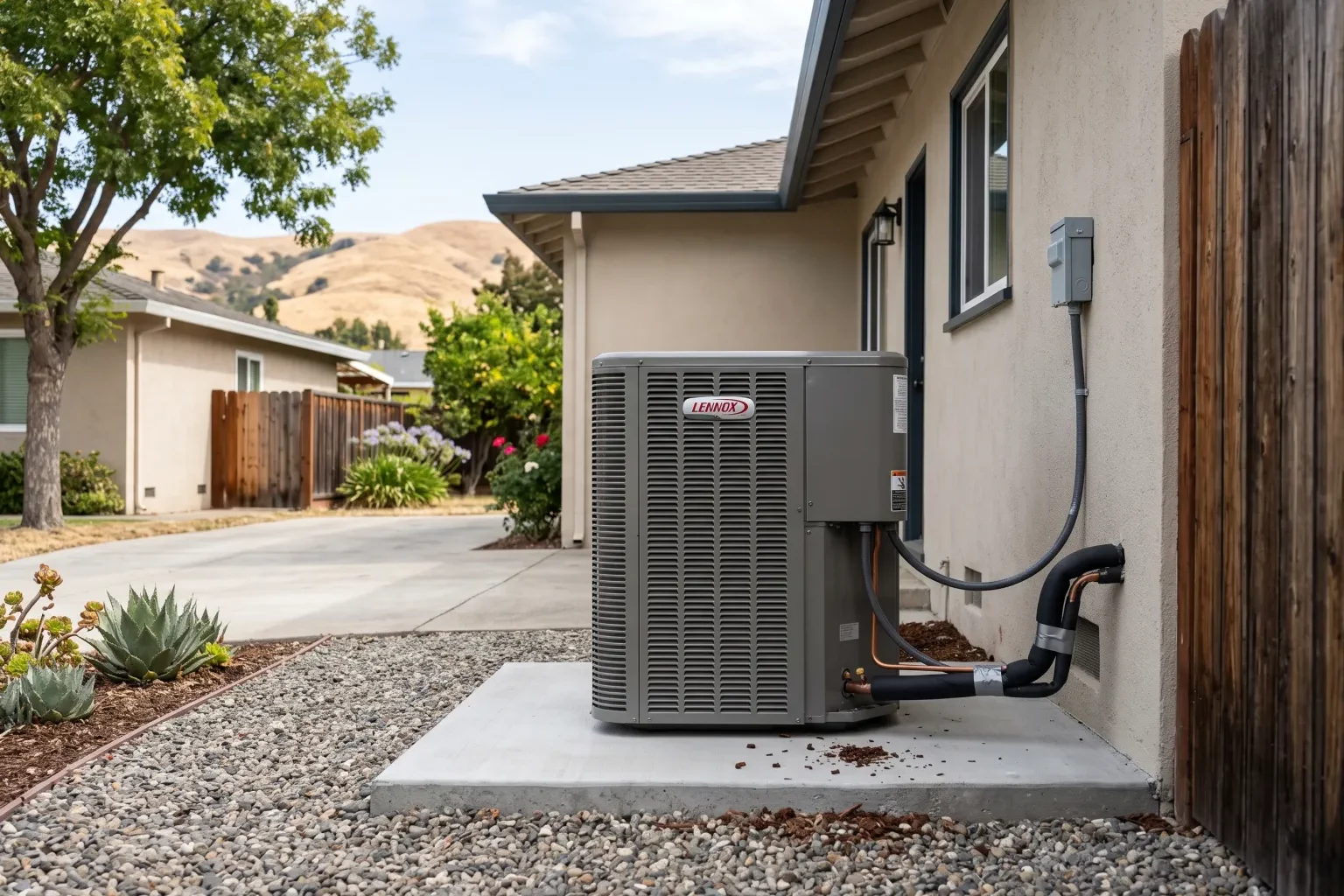
- Clean the outdoor condenser coil and clear debris from around the unit
- Inspect the indoor evaporator coil and flush the condensate drain line
- Measure refrigerant pressures and temperature split on cooling equipment
- Test capacitors, contactors, and motor amperage
- Inspect burners, igniter, flame sensor, and heat exchanger on gas furnaces
- Verify safety switches, limit controls, and venting
- Check blower wheel condition, belts where present, and airflow
- Calibrate the thermostat and confirm the system cycles normally
- Tighten electrical connections and look for signs of overheating
How Maintenance Informs Repair or Replacement
One of the most useful outcomes of a maintenance visit is information. If a capacitor is testing weak, a flame sensor is coated, or a drain line is partly blocked, we note it and can usually correct it the same day with your approval. Taking care of that kind of wear early keeps a minor part from taking a larger component down with it.
Sometimes the inspection turns up something bigger, such as an aging compressor drawing high amperage, corrosion inside a furnace, or a refrigerant leak that keeps recurring. We do not treat a tune-up as a sales visit. Instead, we describe what we see, explain whether the problem is urgent, and outline repair and replacement paths so you can plan ahead. If replacement is in your future, it helps to know that Bay Area Air District rules do not force you to remove working equipment, and that new gas furnaces manufactured from 2029 must meet a zero-NOx standard. Planning early gives you time to compare a heat pump and to check BayREN or your clean energy provider for current incentives.
Factors in the Cost of Maintenance
Maintenance pricing reflects the amount of equipment and the work involved. A home with a single furnace and air conditioner takes less time than one with a heat pump, a separate ductless system, and a second furnace for an upstairs zone. Each additional unit adds to the visit.
Condition matters too. A system that has gone years without service may need deeper coil cleaning, a drain line cleared of buildup, or replacement of worn parts discovered during inspection. Any repair beyond routine maintenance is quoted separately before we do it, so you always know what is included. Ask us about scheduling recurring spring and fall visits if you would like reminders handled for you.
Booking and Completing a Tune-Up
The best times to schedule are early spring, before the first hot spell, and early fall, before nights cool down. Those windows fill up as the seasons change, so booking ahead helps. When you contact us, let us know what equipment you have and where it is located.
During the visit, the technician works through the checklist, which typically takes one to two hours depending on the number of systems. You are welcome to follow along and ask questions. At the end, you receive a summary of measurements and findings, any recommended repairs with quotes, and practical tips such as how often to change your filter given your household, pets, and the dry, dusty summer months.