
The short answer
EliteAir repairs furnaces, heat pumps, ductless systems and wall heaters in Cupertino. We find whether the fault is in the heat source, the airflow or the controls, explain it clearly, and repair it once you approve.
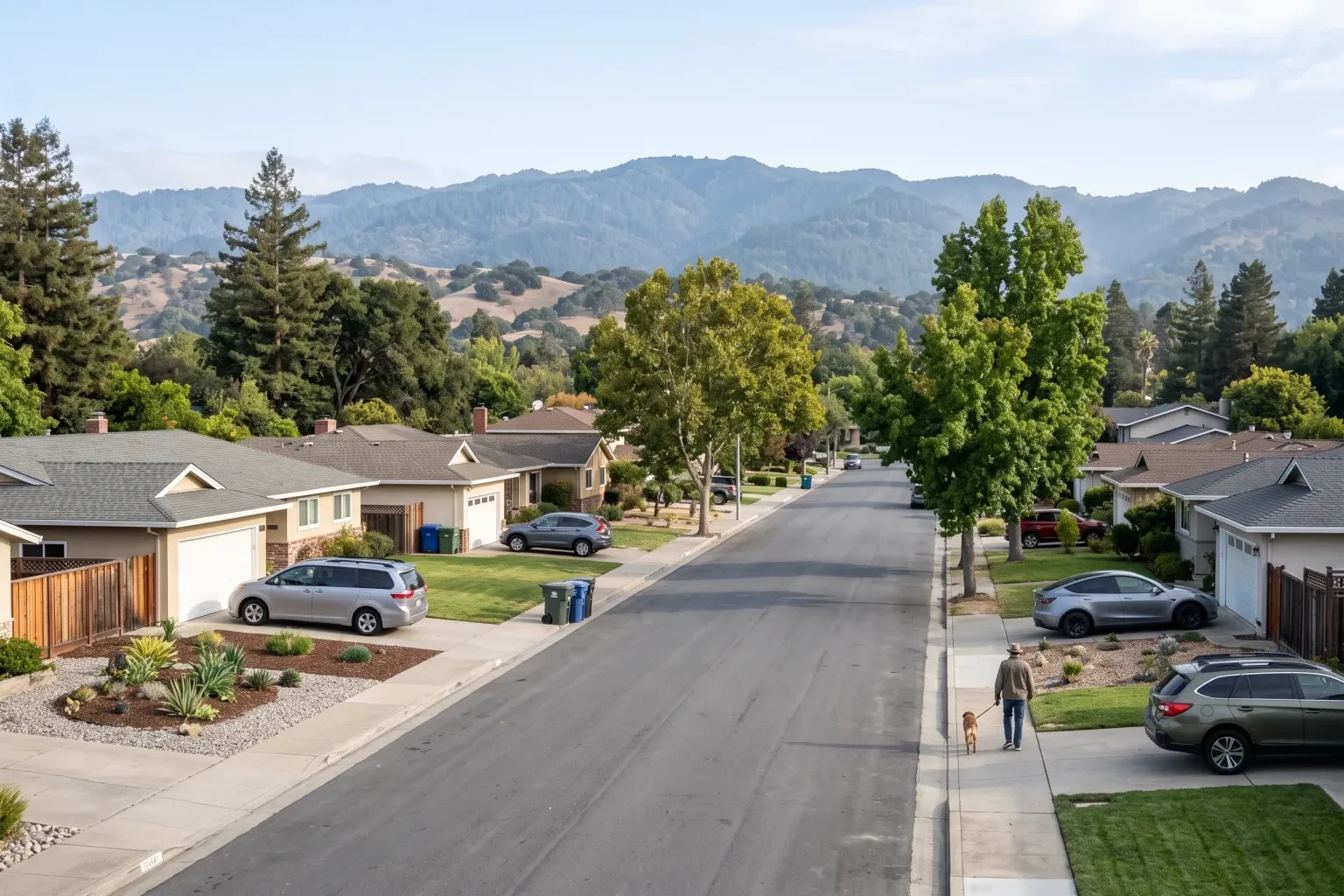
Heating trouble in Cupertino is rarely dramatic. More often it is a slow slide: the house takes longer to warm up each morning, one bedroom never quite gets there, the heater cycles more than it used to, or the energy bill creeps up without an obvious reason. Those are worth fixing before the system stops altogether on a cold night. EliteAir repairs every common heating setup found in 95014, including gas furnaces, heat pumps, ductless mini-splits, wall furnaces and the thermostats and zone controls that run them. Our technicians come from San Jose, about seven miles east. Instead of a generic checklist, this page walks through how we think about a heating problem so you know what to expect and what information helps us most.
Three places a heating problem can hide
Nearly every heating complaint comes down to one of three areas: the equipment that makes heat, the system that delivers it, or the controls that tell it when to run. Sorting out which one is involved is the first job on every visit, and it keeps you from paying for parts that were never the problem.
- Heat source: burners, igniters, heat exchangers, compressors, reversing valves and heat strips
- Delivery: blower motors, filters, ducts, dampers, registers and return air paths
- Controls: thermostats, zone panels, sensors, wiring and communication between indoor and outdoor units
Heat pumps and ductless systems
A growing share of Cupertino homes heat with electricity, either through a ducted heat pump or ductless heads. These systems are quiet and efficient, but they have their own failure patterns. A heat pump that is slightly low on refrigerant may cool well enough to go unnoticed in summer, then struggle on winter mornings. A defrost control that fails can leave the outdoor coil iced over. On ductless units, a clogged drain or a failing room sensor can trigger an error code and lock the head out.
We test charge, defrost operation, the reversing valve, outdoor fan and backup heat, and we read the error history where the equipment stores one.
Gas furnaces and wall heaters
For gas equipment, we watch the full ignition sequence, then test the specific part where it stops. Flame sensors, igniters, pressure switches and blower components account for many repairs. Older wall furnaces, still found in some Cupertino houses and in-law units, usually need pilot, thermocouple or gas valve work. Every gas repair visit ends with a carbon monoxide check and an inspection of the venting we can see.
If you smell gas at any point, leave the house and call your gas utility from outside before calling us.
Uneven rooms in two-story homes
Cupertino has plenty of two-story houses and additions where the upstairs runs warm in summer and cool in winter. In heating season, warm air rises and the thermostat downstairs often shuts the system off before the far rooms are comfortable, or the reverse happens in homes where the thermostat sits upstairs. Repairs here can include fixing disconnected ducts, adjusting dampers, adding a return or recommending zoning. We measure before suggesting anything.
Details that speed up a repair
A few minutes of observation before the technician arrives can save real time on the visit. Note when the problem started and whether it is constant or only happens at certain times, such as early morning or after the system has run for an hour. Listen for where any noise comes from: the outdoor unit, the furnace closet, the attic or a particular vent. If the equipment has a display or a status light, take a photo of the code. Check that the filter is reasonably clean and that the thermostat batteries are fresh.
It also helps to know the age and brand of the equipment, which is usually printed on a label inside the furnace door or on the side of the outdoor unit. With that information, our technician can often bring the most likely replacement part on the first trip instead of ordering it and coming back.
Thinking about the long term
If your heater is near the end of its life, you do not have to decide anything on the day of a repair. The Bay Area Air District rules do not require replacing working equipment. They do set direction: under Rule 9-4, gas furnaces manufactured from 2029 must meet a zero-NOx standard, which makes heat pumps the likely choice for replacements after that date. We are happy to explain how that would apply to your house whenever you want to talk it through. Our heating repair service also covers Saratoga, Los Altos, Sunnyvale, Santa Clara and Campbell.
More services in Cupertino
- AC Repair in Cupertino
- Heat Pump Installation in Cupertino
- AC Installation in Cupertino
- Furnace Repair in Cupertino