
The short answer
A heat pump can heat and cool most Cupertino homes with one system. EliteAir sizes it with a load calculation, checks your panel and ducts, and explains Air District rules and current local incentives before you decide.
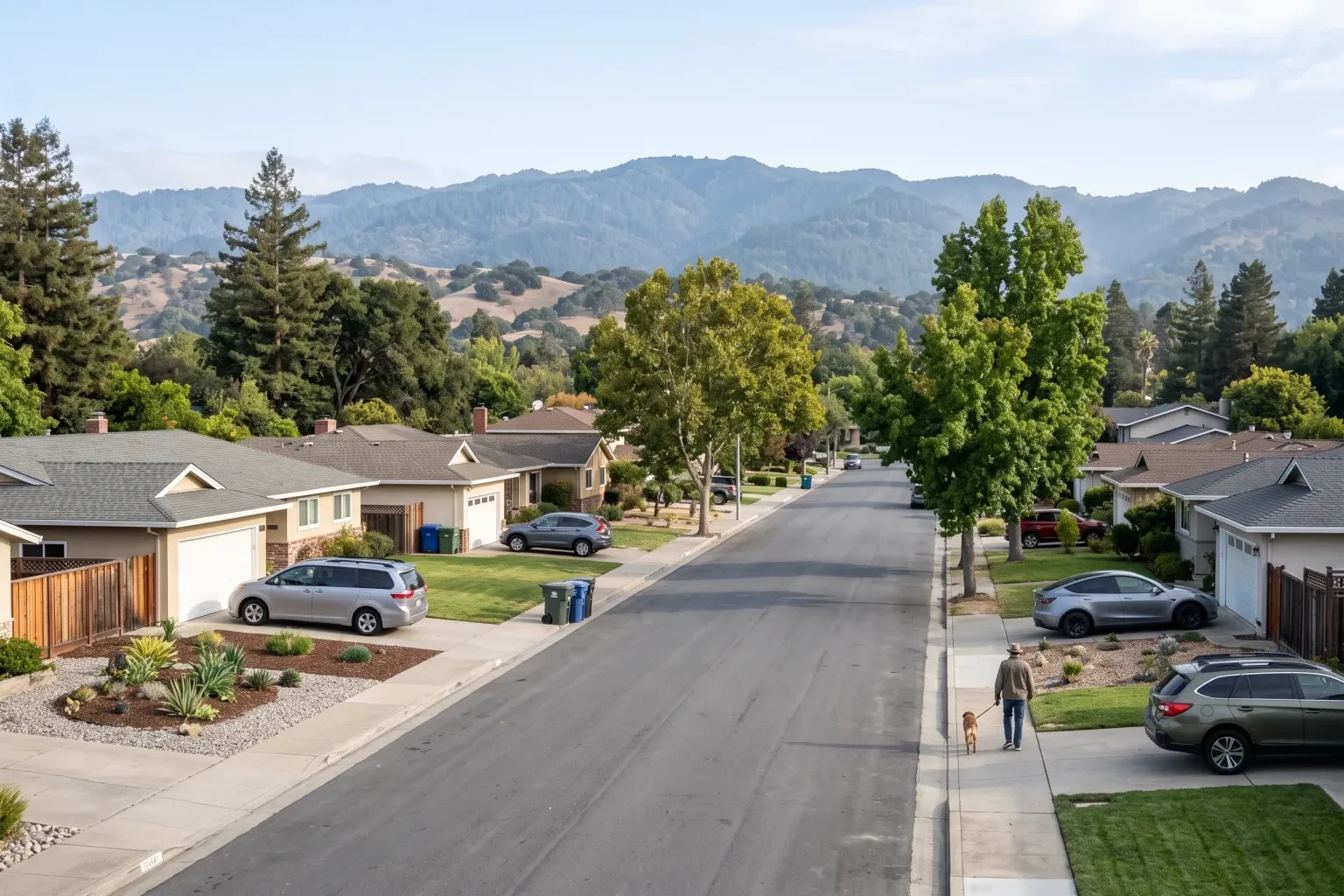
Cupertino homeowners who call us about heat pumps tend to arrive with good questions. Will it keep the house warm on a cold, damp January morning? Does my panel have room? What happens to the furnace? Is there still a tax credit? This page answers those in order, because the decision is easier when the facts are laid out plainly. EliteAir installs ducted heat pumps, ductless mini-splits and dual-fuel systems in the 95014 area, with crews coming from our San Jose base about seven miles east. We size equipment to the specific house, look closely at ducts and electrical service, and give you a written proposal that explains each choice so you can compare it with any other quote you receive.
Question one: will it keep us warm?
For the Santa Clara Valley, yes, when the system is sized correctly. The valley has a Mediterranean climate with mild, damp winters and dry summers. Modern heat pumps keep producing heat well below the temperatures we typically see here, so most Cupertino homes never need the backup electric heat strips except during defrost or an unusual cold spell.
The bigger sizing challenge is often summer. A heat pump has to cool the house too, and upstairs rooms with large windows can carry a heavy afternoon load. We calculate both seasons and choose a variable-speed unit that can slow down in mild weather and ramp up when it needs to.
Question two: what about the panel?
Switching from gas heat to a heat pump adds electrical load. Before quoting, we check service size, open breaker spaces and what other electric upgrades you are planning, such as a car charger or an induction cooktop. Many homes can take a heat pump without a panel upgrade, especially with a right-sized unit or a load management device. If an upgrade is truly needed, we tell you early rather than discovering it on installation day.
Question three: what happens to the furnace and ducts?
That depends on what you have now and what you want. The common paths in Cupertino look like this.
- Full replacement: the furnace comes out and an electric air handler takes its place on the existing ducts
- Dual-fuel: the furnace stays as backup heat, and the heat pump replaces the old AC condenser and coil
- Ductless: wall or ceiling heads serve rooms that ducts never reached, or the whole house if there are no ducts
- Hybrid layout: ducted for the main living areas, plus a ductless head for an addition or office
Question four: rules, credits and incentives
Bay Area Air District Rule 9-4 requires natural gas furnaces manufactured from 2029 to meet a zero-NOx emission standard. In practice, that points homeowners toward heat pumps when a furnace is replaced after that date. The rule does not require replacing a furnace that is still working.
The federal 25C credit covered qualifying heat pumps placed in service before December 31, 2025, and it is not available for new installations after that date. BayREN and your local clean energy provider may offer heat pump and electrification incentives. Amounts and availability change by funding cycle, so we confirm the current offer before we put it in a quote.
What the installation looks like
Ducts get tested and sealed where needed, because a heat pump depends on good airflow even more than a furnace does. We set the outdoor unit on a level pad with room to breathe and a path for defrost water, run new refrigerant lines, install the indoor equipment and wire the controls. After startup we verify charge, airflow and operation in both heating and cooling, set up the thermostat for heat pump operation, and walk you through it. Permits and the final inspection are part of the job. We install heat pumps in Saratoga, Los Altos, Sunnyvale, Santa Clara and Campbell as well.
More services in Cupertino
- AC Repair in Cupertino
- Heating Repair in Cupertino
- AC Installation in Cupertino
- Furnace Repair in Cupertino