
The short answer
Mountain View's mild climate suits heat pumps well, and most homes can convert using existing ducts, ductless heads or a combination. Planning centers on ducts, electrical capacity and placement; incentives come from BayREN and local programs, as the federal 25C credit ended after 2025.
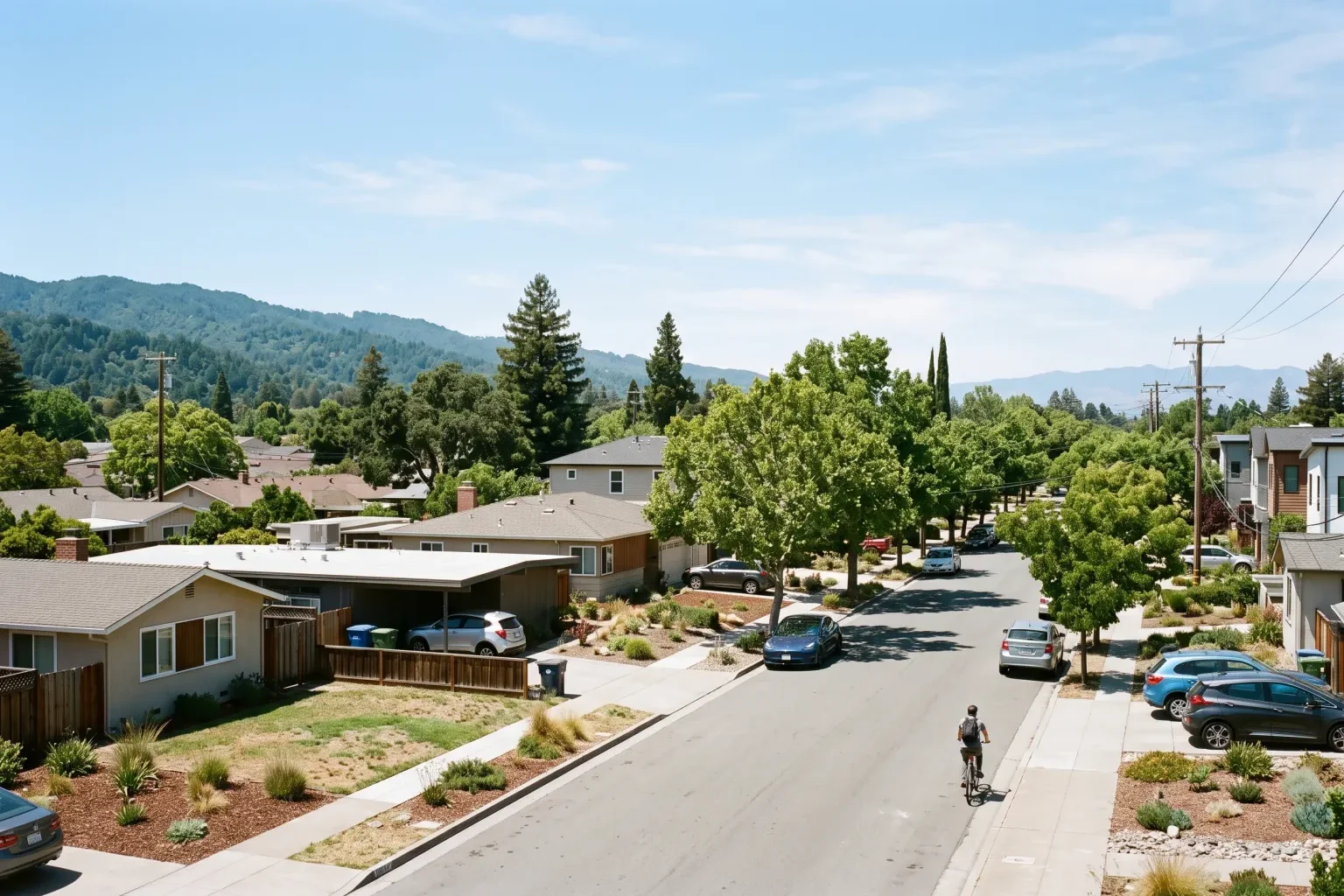
Mountain View's position near the Bay gives it some of the mildest weather in Santa Clara County: cool, damp winters and summers that warm up without the long hot afternoons of the inland valley. That climate is close to ideal for heat pumps, which work most efficiently when outdoor temperatures stay moderate. EliteAir Heating & Cooling, based about eleven miles southeast in San Jose, installs ducted and ductless heat pumps throughout 94040, 94041 and 94043. Instead of repeating general heat pump basics, this page looks at the specific situations we run into in Mountain View homes and how each one shapes the installation.
Four common starting points
Almost every Mountain View project begins from one of a few situations, and each leads to a different plan.
- Gas furnace plus central AC: replace both with a ducted heat pump and matching air handler, reusing ducts after inspection and sealing.
- Gas furnace, no cooling: a heat pump adds air conditioning for the first time while taking over heating, often the biggest comfort upgrade of the group.
- No ducts, or ducts in poor shape: a multi-zone ductless system with heads in the main rooms avoids opening ceilings.
- Wall furnace or electric baseboard heat: ductless heat pumps can replace them room by room, with a large efficiency gain over resistance heat.
Ducts deserve a close look
Heat pumps deliver air at a gentler temperature than a gas furnace, so they rely on steady airflow to keep rooms comfortable. Ducts that leak into an attic or crawlspace, or that were sized for a small furnace, can leave rooms feeling cool in winter even when the equipment is working correctly.
Before we recommend a ducted heat pump, we measure static pressure, inspect accessible ductwork and check how air returns to the system. Sealing joints, adding a return or resizing a few runs often makes a bigger difference than upsizing the equipment. Where ducts are beyond reasonable repair, ductless or small-duct systems become the better choice.
Electrical service and placement
Switching from gas heat to a heat pump increases electrical load. Some homes have plenty of capacity; others have older panels with no open spaces. We check the panel, the service size and the distance to the outdoor unit location, and we tell you early if panel work is needed so it can be scheduled properly.
Outdoor placement on compact lots takes care. The unit needs clearance for airflow, a raised or well-drained base for winter defrost water, and a location that keeps sound away from bedroom windows on both sides of the property line. Townhome installations may involve rooftop or bracket mounts, and HOA rules sometimes affect where equipment can go.
Rules and incentives in plain terms
Under Bay Area Air District Rule 9-4, natural gas furnaces manufactured from 2029 must meet a zero-NOx emission standard. In practice that points homeowners toward heat pumps when a furnace is replaced after that date. The Air District appliance rules do not require replacing working equipment; they apply only when an existing furnace or water heater fails or is replaced.
For water heaters, the zero-NOx date for small units under Rule 9-6 was set for 2027, and the Air District Board is considering amendments in November 2026 that could delay it. Check the current rule before planning a water heater replacement together with your heat pump project.
The federal 25C credit covered qualifying heat pumps placed in service before December 31, 2025, and is not available for new installations. BayREN and your local clean energy provider may offer current heat pump and electrification incentives, which change by funding cycle; we confirm the current offer before quoting it.
Installation and start-up
A straightforward ducted swap typically takes one to two days. Multi-zone ductless systems, duct improvements and panel work extend the timeline, and we give you the schedule in writing. The crew removes old equipment, caps the gas line if the furnace is retired, installs the new indoor and outdoor units, pressure tests and evacuates the lines and charges the system.
We then test heating and cooling, configure the thermostat for heat pump operation and explain what to expect, including brief defrost cycles on cold mornings. Permits are filed where required. We also install heat pumps in Los Altos, Sunnyvale, Los Altos Hills, Cupertino and Santa Clara.
More services in Mountain View
- AC Repair in Mountain View
- Heating Repair in Mountain View
- AC Installation in Mountain View
- Furnace Repair in Mountain View